RV Solar Power Installation in Hobe Sound, FL
RV solar installation in Hobe Sound, FL. Panels, charge controllers, lithium batteries, inverters, off-grid systems. Call 772-758-0499.
South Florida averages 5.5 peak sun hours per day. That's among the best solar resources in the country, and it means your RV can generate serious power from even a modest panel array. Whether you're boondocking at Jonathan Dickinson State Park or dry camping at a friend's property in Jupiter Farms, solar lets you run your fridge, lights, fans, and charge your devices without a generator or hookup.
TL;DR
- Complete solar design and installation for all RV types
- Panels, charge controllers, lithium batteries, inverters, monitors
- Pricing: $200 to $4,500 depending on system size
- South Florida averages 5.5 peak sun hours per day
- Call 772-758-0499 for a free system design consultation
At RV Repair Hobe Sound, Jake Merritt has designed and installed over 200 solar systems on RVs since 2015. We handle everything from a basic 200-watt starter setup to full 800-watt systems with lithium batteries and 3,000-watt inverters. Every system is custom-designed for your rig, your power needs, and your budget. We don't sell cookie-cutter kits. We build systems that actually work for how you use your RV.
RV Solar Power Installation We Provide
Solar Panel Mounting
Roof-mounted and tilt-mount panel installation, wiring runs, and weatherproof penetration sealing for all panel sizes.
DetailsCharge Controller Setup
MPPT and PWM controller installation, proper sizing for your panel array, and wiring with correct gauge and fuse protection.
DetailsLithium Battery Upgrade
Lead-acid to lithium LiFePO4 conversion, battery bank sizing, BMS configuration, and charging profile adjustment.
DetailsInverter Installation
Pure sine wave inverter sizing, mounting, wiring to your breaker panel, and transfer switch integration.
DetailsBattery Monitor Setup
Victron, Renogy, and other monitor installation with shunt wiring, display mounting, and Bluetooth app configuration.
DetailsOff-Grid System Design
Complete system design based on your power audit: panel wattage, battery capacity, inverter size, and expected daily output.
DetailsCommon Issues We See in Florida
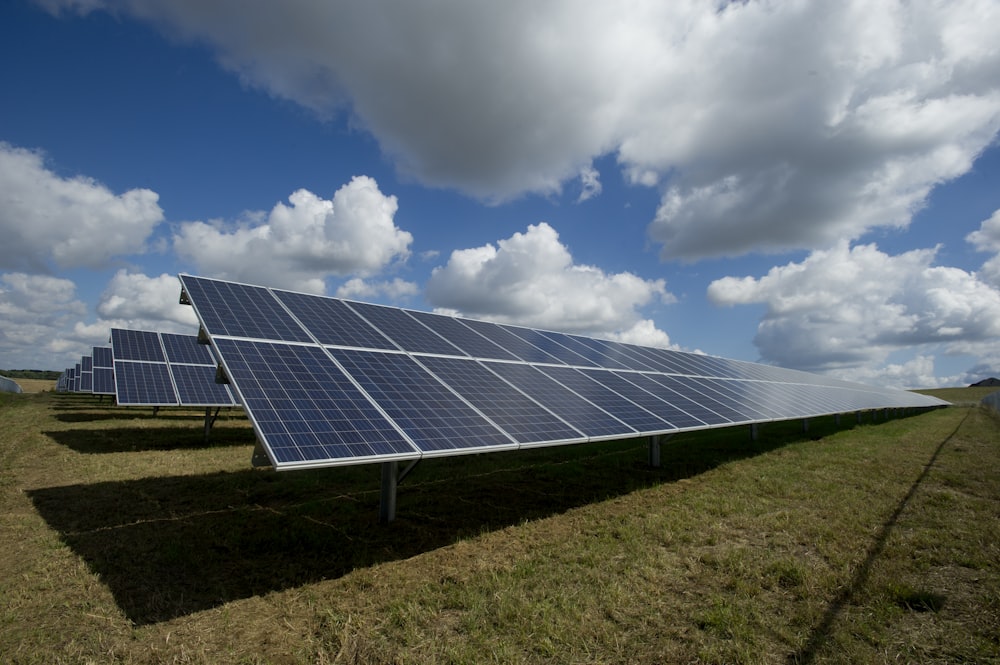
Florida's intense sun is a double-edged sword for solar. On one hand, you get more energy production than almost anywhere else. A 400-watt panel array in Hobe Sound generates roughly 2,200 watt-hours per day on average. That's enough to run your fridge, lights, water pump, and charge devices without touching your batteries' reserve. On the other hand, the heat reduces panel efficiency by about 0.4% per degree above 77 degrees F. That means your panels produce less per watt on a 95-degree day than on a 75-degree day. We account for this temperature derating when sizing systems, so you get real-world performance, not best-case lab numbers. We see a lot of RV owners buy cheap Amazon solar kits and end up frustrated. The panels are fine, but the included PWM controllers, undersized wiring, and lead-acid batteries can't deliver what people expect. We design systems properly from the start.
Pricing
Every job is different, but here are typical ranges. We always provide an exact quote before starting work.
| Service | Typical Range |
|---|---|
| 200W starter system (panels + controller) | $500 - $900 |
| 400W system with lithium battery | $1,500 - $2,500 |
| 600-800W full off-grid system | $2,500 - $4,500 |
| Lithium battery upgrade only | $800 - $2,400 |
| Inverter installation only | $500 - $1,500 |
| Charge controller upgrade | $200 - $500 |
| Battery monitor installation | $150 - $350 |
| Panel mounting only | $200 - $600 |
Why RV Owners Trust Us
Jake Merritt has installed over 200 RV solar systems across Martin and Palm Beach counties. We use quality components from Renogy, Victron, Battle Born, and other proven brands. Every installation follows NEC Article 690 (Solar Photovoltaic Systems) standards for proper wiring, fusing, and grounding. We don't drill holes in your roof without proper Dicor sealant and compression fittings. Every penetration is waterproofed to RVIA roof standards. Thinking about solar for your RV? We'll do a free power audit over the phone to help you figure out what size system makes sense.
Call 772-758-0499 for a free estimate.
RV Solar Power Installation FAQ
Common questions from RV owners in Hobe Sound and Martin County.
How many solar panels does my RV need?
It depends on your power usage. A typical RV running a fridge, lights, water pump, and charging devices needs 200 to 400 watts. If you want to run AC off solar (with a large battery bank and inverter), you'll need 600 to 800 watts minimum.
Should I upgrade to lithium batteries?
If you're going solar, absolutely. Lithium LiFePO4 batteries give you 2 to 3 times more usable capacity than lead-acid at half the weight. They charge faster, last 10+ years, and handle deep discharge without damage. The upfront cost is higher but the lifetime value is much better.
Can solar run my RV air conditioner?
Technically yes, but it requires a large system: 600+ watts of panels, 400+ amp-hours of lithium batteries, and a 2,000+ watt inverter. It's a significant investment ($3,000 to $4,500), but some full-time boondockers find it worthwhile.
How long does RV solar installation take?
A basic 200-watt system takes 3 to 4 hours. A full off-grid setup with lithium batteries and an inverter typically takes a full day. We do everything on site at your location.
Do solar panels damage my RV roof?
Not when installed properly. We use non-penetrating mounting brackets where possible, and when we do drill, every hole gets Dicor self-leveling sealant and a compression fitting. We've never had a roof leak from a solar installation.
What brand of solar panels do you recommend?
We primarily use Renogy and Rich Solar panels. Both are monocrystalline, efficient, and backed by solid warranties. We avoid off-brand panels with questionable quality control.
Can you add solar to my existing battery setup?
Yes. We can integrate solar charging with your existing lead-acid batteries and converter. It won't be as efficient as a lithium setup, but it still extends your off-grid capability significantly.
Is Florida too hot for solar panels?
No. Florida's heat reduces panel efficiency slightly (about 10% on the hottest days), but the abundant sunshine more than compensates. You'll generate more total energy here than in most of the country.